

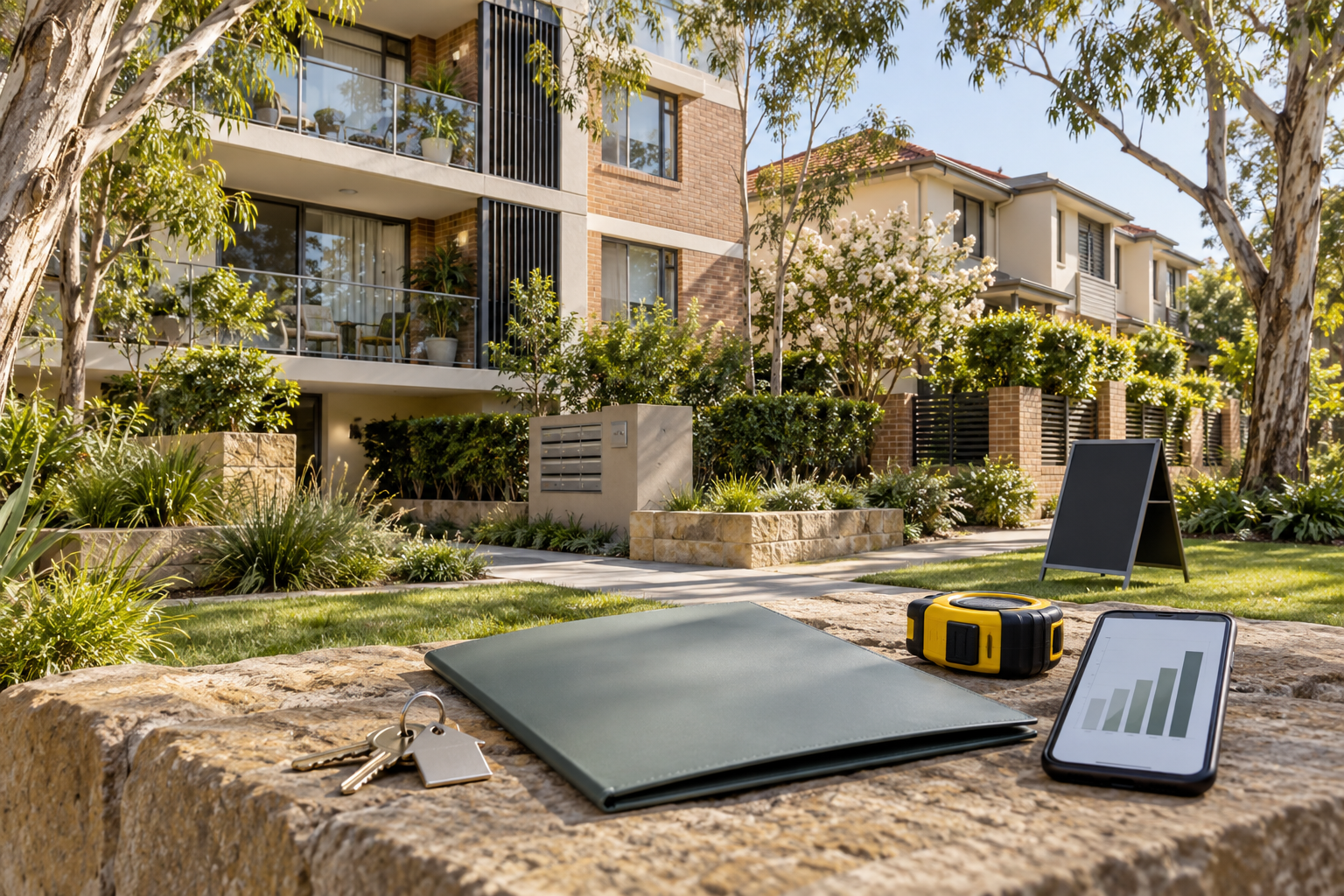
Sydney rental vacancies are easing, but renters and owners still need a plan
Sydney's rental market is showing a little more choice, but it is still not a comfortable market for every renter. Recent vacancy data points to a gradual increase in available properties compared with a year ago, while advertised rents remain elevated. For landlords, the change is a reminder that presentation, pricing and reliable property management matter. For renters, it creates an opportunity to compare more carefully rather than rushing into the first suitable listing.
This article is general information only and is not legal, financial, property-management or tenancy advice. Check current NSW rules and obtain qualified advice for your circumstances.
What the latest vacancy data shows
SQM Research's August 2026 figures put Sydney's advertised vacancy rate at 1.7%, unchanged from July but higher than the 1.4% recorded a year earlier. The number of advertised vacant dwellings was reported at 12,821, about 26% higher than August 2025. Nationally, the vacancy rate held at 1.3%, with 41,039 vacant dwellings.
These measures track advertised rental listings and should not be treated as a complete measure of every available home. Different providers use different methods, and vacancy data does not describe the experience of every suburb or property type. Even so, the direction is useful: Sydney renters may have slightly more room to compare than they did during the tightest part of the recent cycle.
What renters can do with a little more choice
More listings do not remove the need to act quickly on a suitable property. Prepare identification, rental references and evidence of income before inspecting. Then compare the full weekly cost, including parking, utilities, transport and likely maintenance responsibilities. Look beyond the photographs and inspect ventilation, storage, noise, access, security and the condition of shared areas.
It is also sensible to check the lease terms and understand how repairs, inspections and communication will be handled. Keep copies of applications and correspondence, and check current NSW tenancy information before signing.
What landlords should review
Owners should not assume that a higher vacancy rate means every property needs a large rent reduction. The right response depends on the suburb, property type, condition, competing listings and the quality of the tenant experience. A clean presentation, prompt maintenance, accurate listing and sensible pricing can help a property compete without relying on exaggerated claims.
Review the listing photographs, inspection process, response times and recurring maintenance issues. If the property is vacant, calculate the cost of each additional week without a tenant and compare that with the cost of practical improvements. A local property manager can help assess competing listings and current renter expectations.
What this means for NSW property decisions
Sydney's rental market is still tight, but the latest figures suggest conditions are not identical to a year ago. Renters may have more opportunity to compare, while owners need to focus on value and service. The most useful decision is one based on the specific suburb, property and household budget, not a national headline alone.
Sources
News insight
 Sep 30, 2026
The RBA has raised rates again: what NSW property buyers should review now
The RBA has raised the cash rate to 4.60 percent. Here are practical checks for NSW property buyers...
 Sep 29, 2026
Sydney housing segments are moving differently: how to compare value and affordability
Cotality data shows different Sydney housing segments are experiencing different conditions. Here is...
 Sep 28, 2026
Building and pest inspections in NSW: checks to complete before you buy
A practical NSW guide to building and pest inspections, report limitations, maintenance risks and qu...