

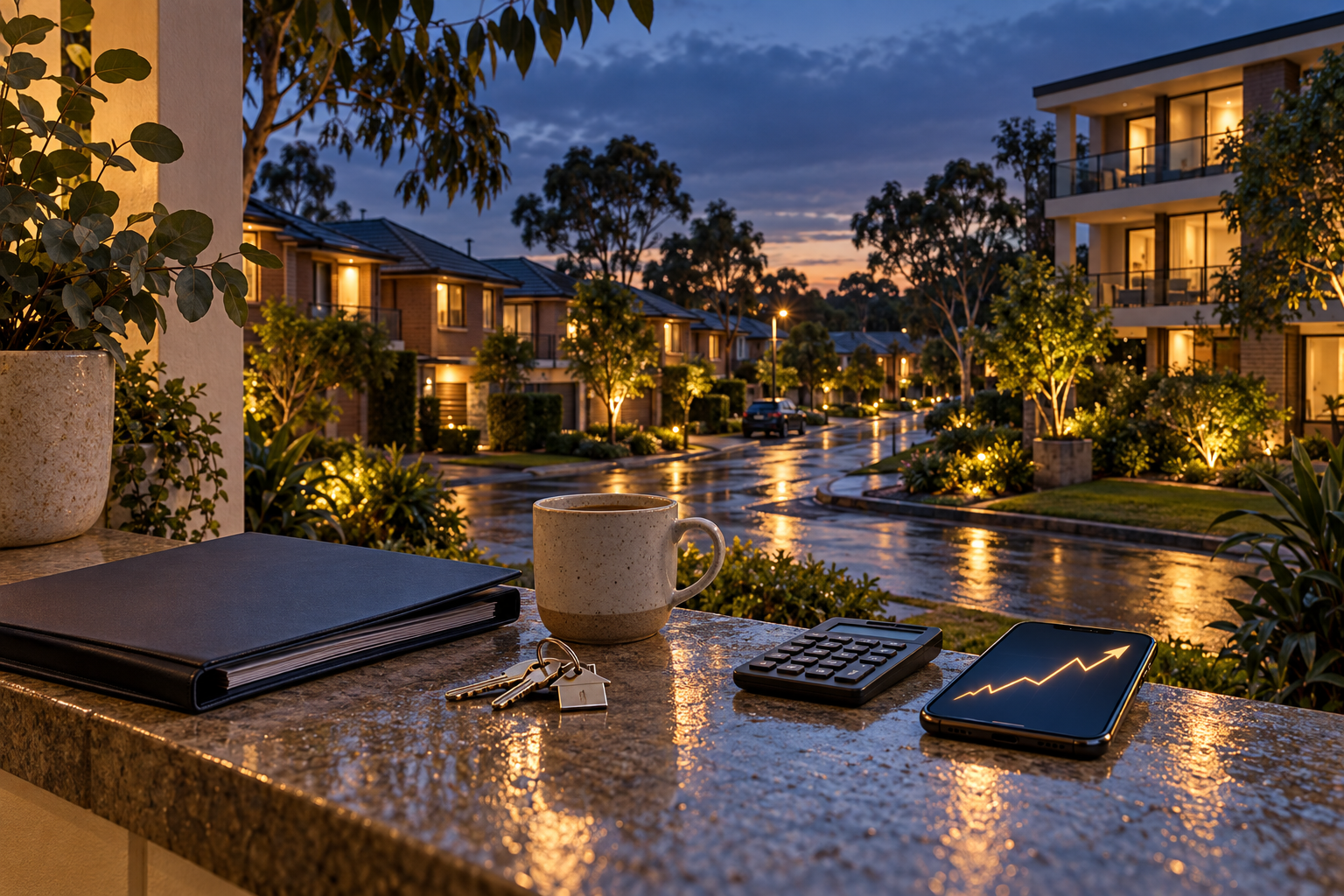
The RBA has raised rates again: what NSW property buyers should review now
The Reserve Bank of Australia raised the cash rate target by 25 basis points to 4.60 percent on 29 September 2026. For NSW property buyers, borrowers and sellers, the decision makes a fresh review of borrowing capacity and household buffers worthwhile.
This article is general information only and is not legal, financial, credit or tax advice. Speak with an appropriately qualified professional about your circumstances.
What the RBA decision means
The RBA said inflation remains elevated and that some upside risks have materialised. It also noted that housing prices have fallen in most capital cities and that new housing loans have declined noticeably. The decision was unanimous, and the Board said it would continue to respond to data and the evolving outlook.
Why NSW borrowers should review their numbers
A higher cash rate can flow through to variable borrowing costs and influence the pricing of new loans. ABS lending indicators show total new dwelling loan commitments fell 5.4 percent in the June quarter 2026. Investor commitments fell 8.6 percent by number, while owner occupier commitments fell 3.3 percent. These figures describe market activity, not an individual household outcome, but they reinforce the value of careful finance checks.
Checks before making an offer
- Ask your lender or broker to confirm current borrowing capacity rather than relying on an older estimate.
- Test repayments with room for rates, insurance, council charges, maintenance and ordinary household costs.
- Include credit-card limits, personal loans, buy-now-pay-later accounts and other commitments in the review.
- Keep a separate allowance for stamp duty, inspections, moving costs and immediate repairs.
- Compare the full cost of different loan structures, including flexibility and fixed-rate expiry risks.
What sellers should understand
Finance-sensitive buyers may take longer to decide and may place more weight on value, property condition and clear campaign information. A realistic price guide and well-presented documentation can help buyers assess the opportunity without relying on optimistic assumptions.
Housing supply remains part of the picture
ABS building approvals fell 3.6 percent in July to 17,687 dwellings on a seasonally adjusted basis, although approvals were 9.0 percent higher than a year earlier. Approvals are not the same as completed homes, so local supply, demand and infrastructure still need to be considered suburb by suburb.
A practical next step
Before attending an auction or signing a contract, update your finance position, check the full ownership budget and compare the property with recent local evidence. A rate decision changes the context, but a disciplined review of your own numbers remains the most useful starting point.
Sources
News insight
 Oct 19, 2026
Time on market is becoming a bigger buyer signal in Sydney
Why Sydney buyers and sellers should compare time on market with local property evidence.
 Oct 18, 2026
Older listings are building up: what Sydney sellers should review before relaunching
A practical guide for Sydney sellers reviewing pricing, presentation, campaign feedback and competin...
 Oct 17, 2026
Sydney housing values have fallen for six months: what buyers and sellers should check now
Sydney housing values have fallen for six consecutive months. The latest data makes property type, l...