

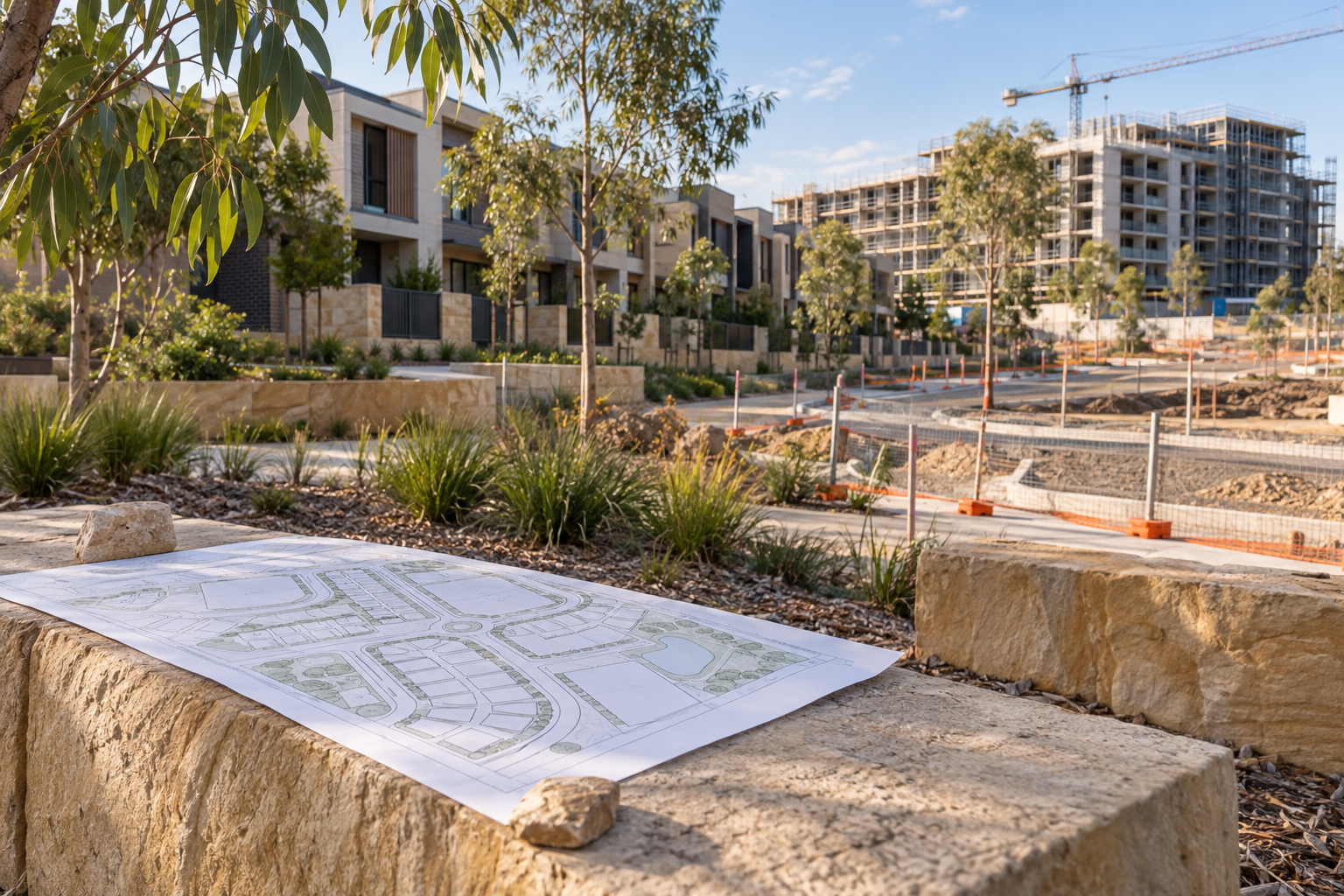
New housing supply in NSW: what buyers should check before choosing a development

New housing supply can create more choice for buyers, but a new development should be assessed as carefully as an established property. Plans, construction timing, access, services and ongoing costs can all affect how suitable a home is for a particular household.
This article is general information only and is not legal, financial, planning or property advice. Ask appropriately qualified professionals to assess your circumstances and the documents for a specific property.
Look beyond the display home
A display home can show the finish and layout, but it may not tell you how the wider precinct will operate. Check the proposed stages, road connections, visitor parking, open space, nearby services and the likely construction program. A new estate or apartment project can change significantly as later stages are delivered.
Understand planning and future change
Use official planning information to understand the broader area, not just the marketing material for the property. Look for proposed housing, transport changes, community facilities and infrastructure that could affect access, noise, outlook or daily convenience. Planning information can change, so check the current official sources and ask questions before relying on an assumption.
Check the property and the ongoing cost
Ask what is included in the contract, which finishes and appliances are standard, and what upgrades cost extra. For apartments and townhouses, review expected strata or community-title costs, shared facilities, parking, storage and maintenance responsibilities. For house-and-land projects, confirm site costs, landscaping, fencing, connections and other items that may sit outside the advertised starting price.
Test the location in real life
Visit at different times and consider the route to work, schools, shops, public transport and health services. Check how traffic, construction, drainage and weather affect the area. A property that looks attractive on paper still needs to work for the household's routine and budget.
A practical development checklist
- Read the contract, inclusions and plans with qualified advice.
- Check planning information and proposed changes around the site.
- Confirm access, parking, storage, services and completion timing.
- Budget for ongoing levies, rates, insurance, maintenance and utilities.
- Compare the new property with established homes using total cost and location, not only the headline price.
New supply can improve choice, but careful checking helps buyers separate a suitable long-term home from an appealing brochure. Take time to compare the full setting, the documents and the ownership costs before making a decision.
Sources
News insight
 Sep 08, 2026
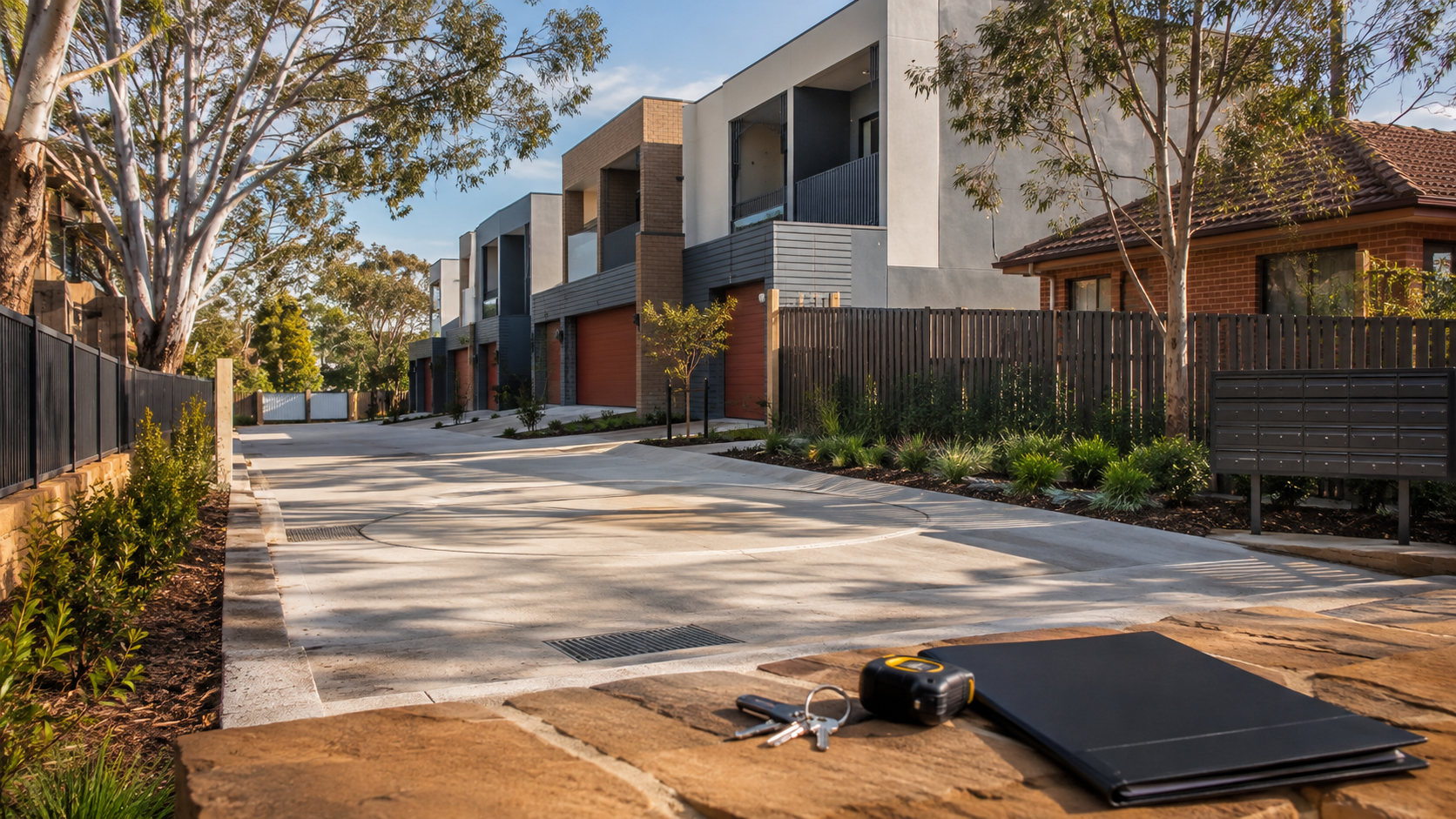
Shared driveways and parking: practical access checks before buying in NSW
Shared driveways, parking arrangements and property access can affect daily convenience and future d...
 Sep 07, 2026
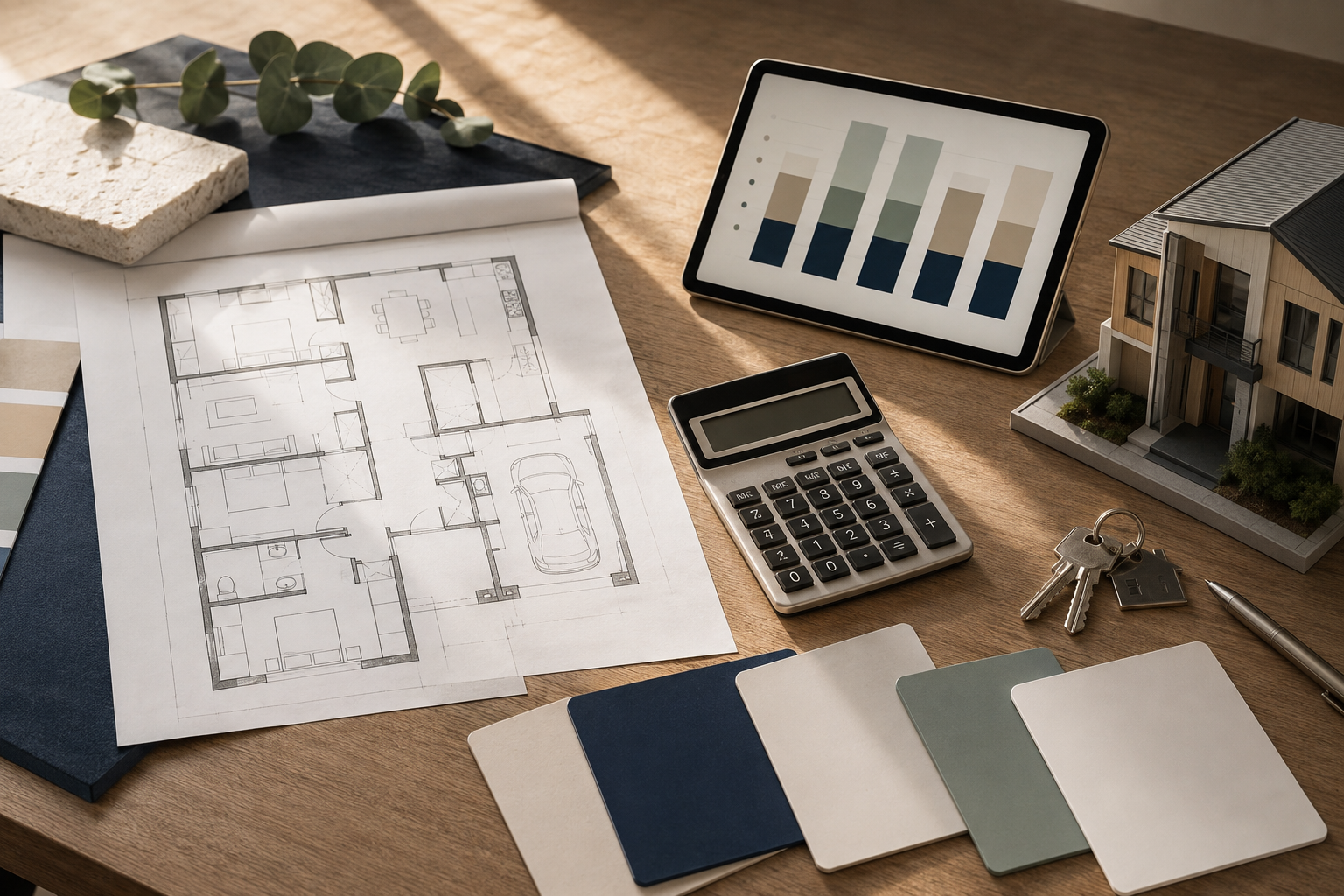
How to compare home loan options before buying in NSW
An evergreen guide to comparing home loan costs, features and repayment comfort before buying proper...
 Sep 04, 2026
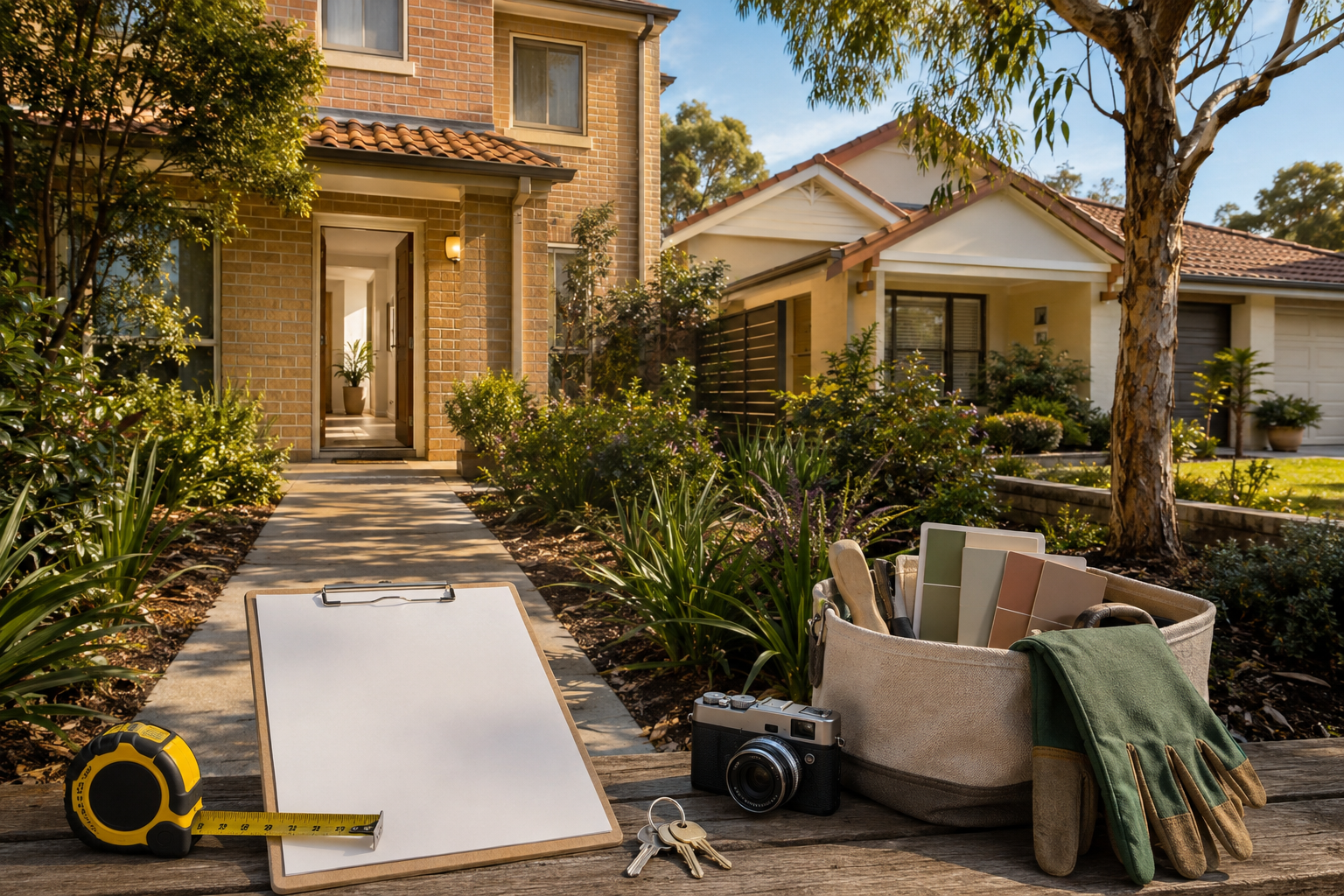
Spring selling preparation: make your property ready for better decisions
A practical evergreen guide to preparing an Australian property for sale in spring with better maint...