

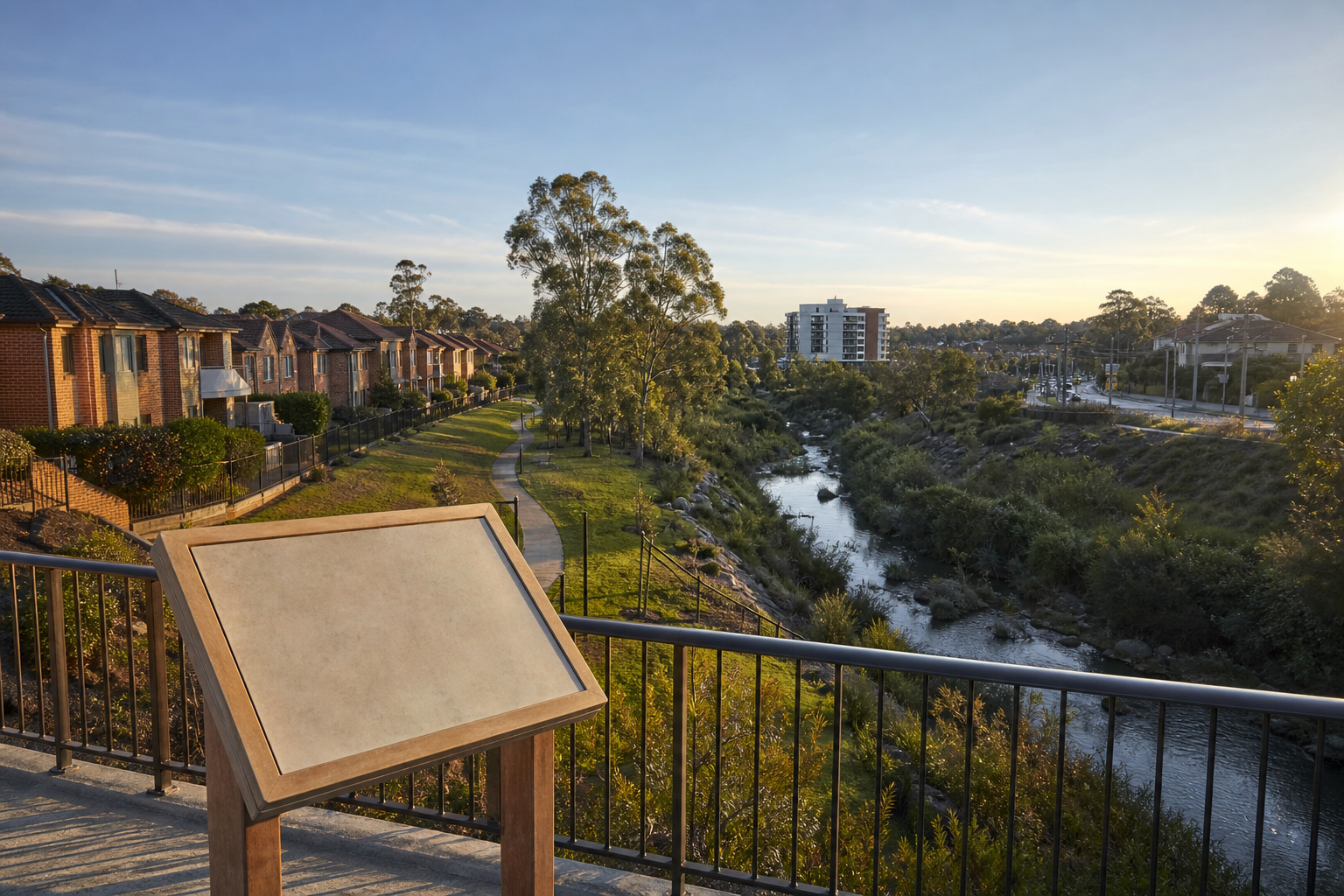
New housing numbers are sending different signals across Australia
New housing numbers are sending different signals across Australia
Property headlines often describe the housing market as if every part of it is moving in the same direction. The latest Australian building approvals data gives a more useful picture. In May 2026, total dwellings approved fell 1.1 per cent to 17,019. Within that result, private sector house approvals rose 2.8 per cent to 10,537, while private sector dwellings excluding houses fell 10.4 per cent to 6,034.
That split matters for anyone comparing a detached home, townhouse or apartment. It suggests that the construction pipeline is not simply expanding or contracting evenly. Different property types can face different levels of new supply, buyer demand, construction risk and resale competition.
Why the mix matters
For buyers, a headline about more house approvals does not automatically describe the conditions for an apartment search. A suburb with a large apartment pipeline may have a different choice of stock, settlement timing and competition profile from an established townhouse area. Buyers still need to compare the individual property, body corporate costs, local amenities, transport, comparable sales and the likely supply coming nearby.
Sellers also benefit from looking beyond the national number. If buyers have more choice among similar apartments or new townhouses, presentation, pricing and campaign timing become more important. An established home may need to be positioned around its practical advantages, such as land, privacy, renovations, parking or proximity to schools and services, rather than relying on a broad market narrative.
Investors and builders need a separate check on feasibility. The value of total residential building approved fell 5.7 per cent to $10.24 billion in May, while non-residential building value rose 41.0 per cent to $10.83 billion. These figures do not predict the performance of one suburb, but they do reinforce the need to test construction costs, delivery timing, rental evidence and exit demand rather than assuming that an approval will become a completed project quickly.
What to check before making a decision
- Compare the property type with the local pipeline, not just the national headline.
- Check recent comparable sales, current listings and the quality of competing stock.
- Allow for finance comfort, construction timing, holding costs and realistic rental or resale demand.
- Use current local evidence and qualified professional advice before committing.
The main message is not that one property type is automatically better than another. It is that the market needs to be read in more detail. Houses, townhouses and apartments can be affected by different supply conditions, so a careful suburb-level comparison is a more useful starting point for winter property decisions.
Sources
News insight
 Sep 30, 2026
The RBA has raised rates again: what NSW property buyers should review now
The RBA has raised the cash rate to 4.60 percent. Here are practical checks for NSW property buyers...
 Sep 29, 2026
Sydney housing segments are moving differently: how to compare value and affordability
Cotality data shows different Sydney housing segments are experiencing different conditions. Here is...
 Sep 28, 2026
Building and pest inspections in NSW: checks to complete before you buy
A practical NSW guide to building and pest inspections, report limitations, maintenance risks and qu...