

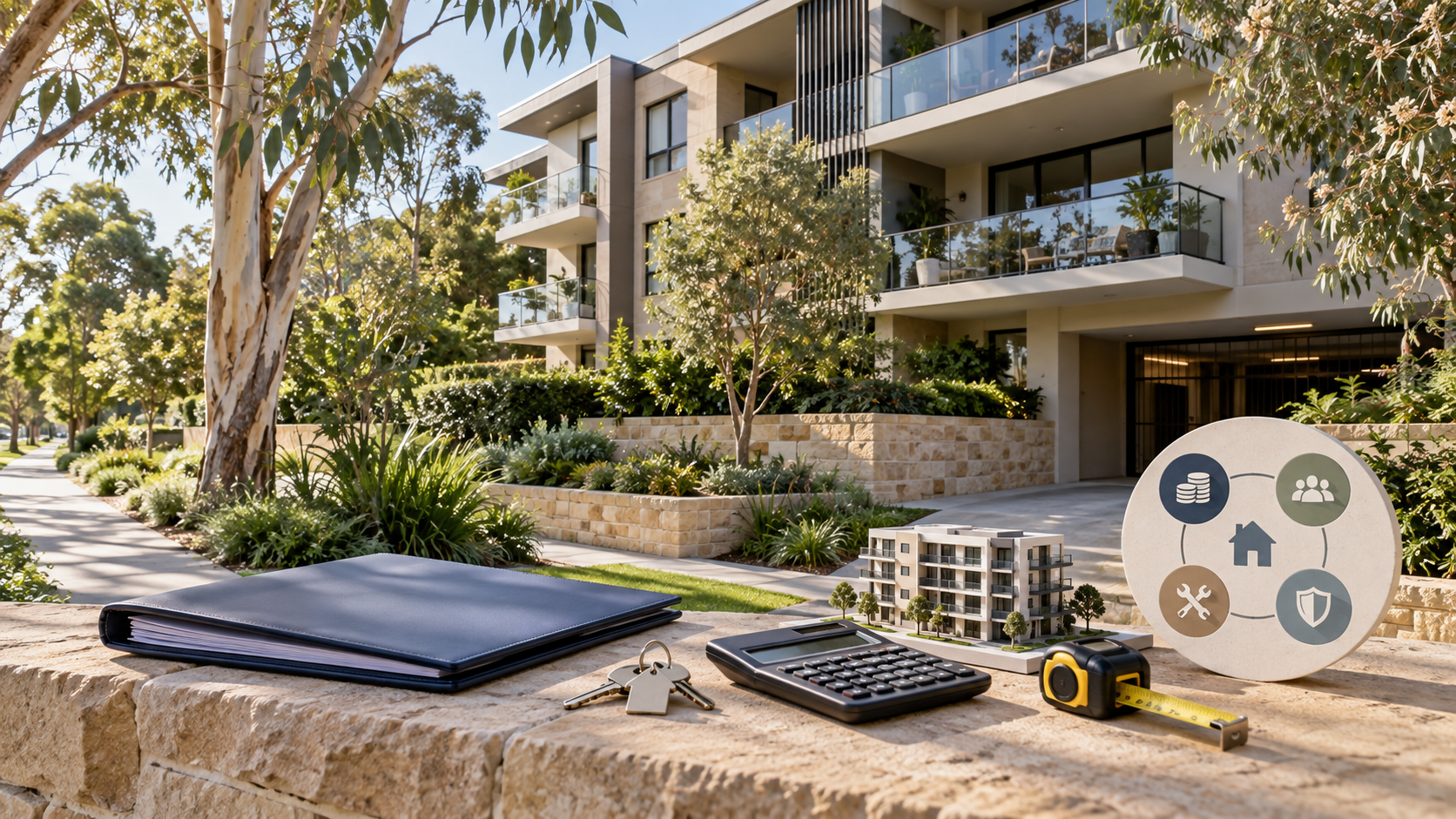
Sydney apartment buyers need a whole-cost plan, not just a deposit target
Sydney apartment buyers are often trained to focus on the deposit and the advertised price. Those numbers matter, but they do not show the full cost of owning the property. A better decision starts with a whole-cost plan that brings the mortgage, strata, maintenance, insurance and likely future works into one view.
This matters in a market where borrowing conditions remain important and affordability is still under pressure. The Australian Bureau of Statistics reported that the number of new dwelling loan commitments fell 5.4 per cent in the June quarter of 2026, while investor loan commitments fell 8.6 per cent. The figures do not predict what will happen to every suburb, but they show why buyers should compare finance structures carefully rather than relying on a headline borrowing amount.
Start with the cost beyond the listing price
Before making an offer, estimate the likely monthly mortgage repayment and add the regular costs that can be easy to overlook. For an apartment, that usually includes strata levies, council rates, water charges, contents insurance and a realistic allowance for repairs or replacement items inside the home.
Ask for the strata records and read the budget, sinking fund position, meeting minutes and any notices about major works. A building with a lower purchase price can still become expensive if it needs lift repairs, waterproofing, cladding work, roof maintenance or other shared-property projects. The purpose is not to predict every future bill. It is to understand whether the building is being maintained and whether the current levies appear sensible for the services and condition involved.
Compare apartments on resilience, not just size
A smaller apartment may have a lower entry price, but the better comparison is how comfortably the property fits within the household budget after all recurring costs are included. Check how the repayment changes if the interest rate is higher, income is temporarily lower or another household expense increases.
The National Housing Supply and Affordability Council's August 2026 Quarterly Report says construction costs remain elevated and that affordability continues to be a major housing-system challenge. For an individual buyer, the practical lesson is to leave room for ordinary cost increases after settlement rather than using every available dollar on the purchase.
What buyers should compare before making an offer
- Total monthly cost, including the loan, strata, rates, utilities and insurance.
- Building condition, the sinking fund and any proposed or active major works.
- Repayment resilience if rates, household costs or income conditions change.
A whole-cost comparison can make two similarly priced apartments look very different. It can also help a buyer decide whether to negotiate, choose a different building or wait until the numbers are more comfortable. This is general information only, not legal or financial advice. Buyers should obtain their own professional and legal advice before committing to a property.