

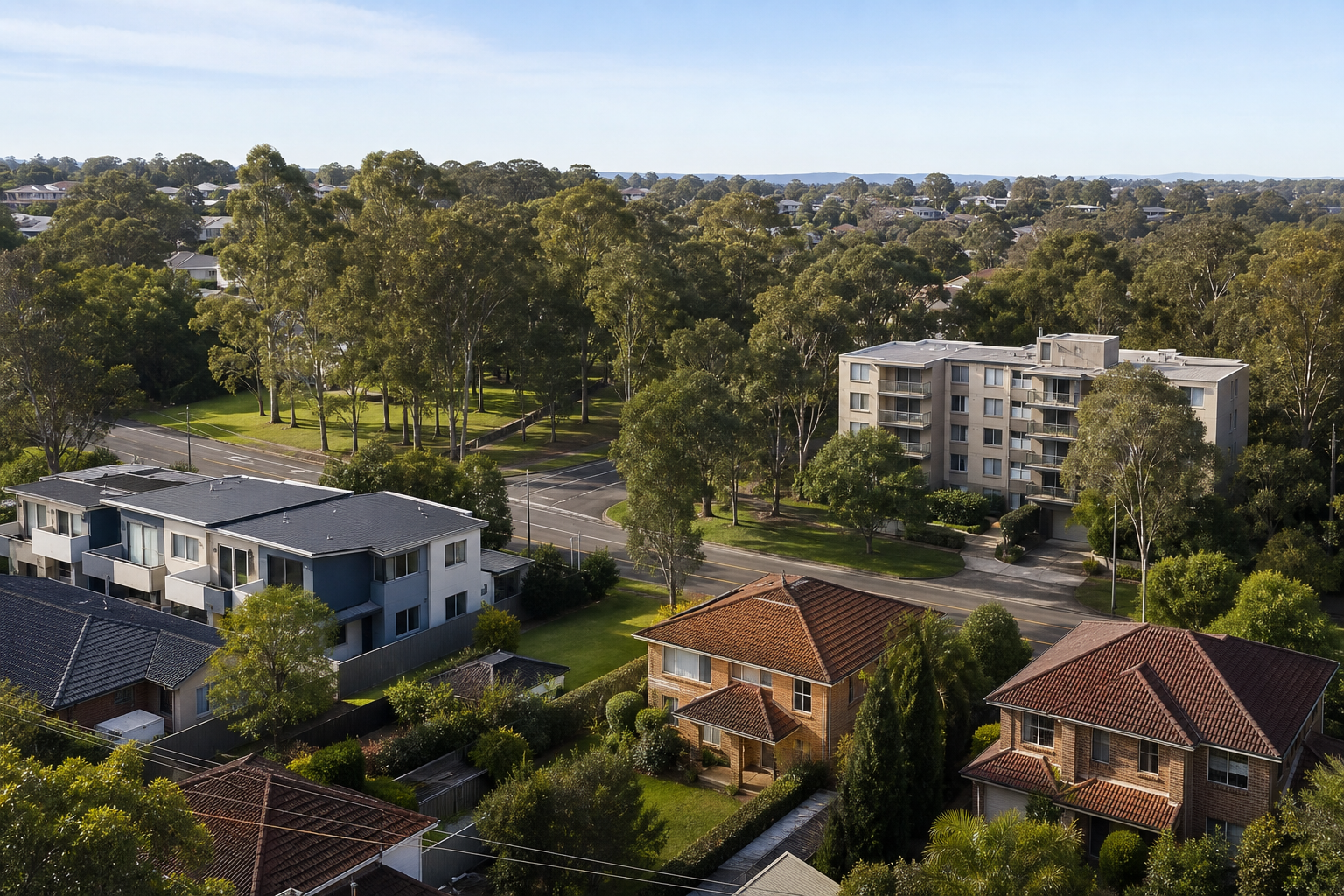
How a suburb shortlist can make property decisions clearer
Choosing between properties is easier when the suburb comes into the comparison early. A shortlist can help buyers separate the appeal of a particular home from the practical experience of living there.
Start with two or three locations that suit your budget, commute, household needs and likely daily routine. Then compare the type of homes available, recent sales, current listings, access to shops and services, public transport, parks, schools and the overall feel of the streets you would actually use.
Build the shortlist around real life
A suburb can look attractive online but feel different at inspection time. Visit at more than one time of day where possible. Notice traffic, parking, noise, walking routes, natural light and how close essential services are. These details can influence comfort and ongoing costs just as much as the floor plan.
It is also worth comparing like with like. Look at similar property types, block sizes, condition, inclusions and recent local sales rather than relying on a single listing or a broad market headline. A shortlist gives buyers a better way to identify which differences are meaningful and which are simply presentation.
Practical checks before making an offer
- Write down the household needs that the property must meet.
- Compare the suburb, property type and ongoing costs together.
- Inspect local access and amenities instead of relying only on online maps.
- Review documents and obtain independent advice for your own circumstances.
What this means for buyers
A suburb shortlist is not a guarantee that one location or property will perform better. It is a practical way to make decisions more consistent, reduce emotional comparisons and focus inspections on homes that fit the way you plan to live.