

Renovation potential: checks buyers should make before paying for possibility

Renovation potential can make a property look more appealing, but the phrase can mean very different things. One home may need a straightforward cosmetic update. Another may require structural work, planning approval, engineering advice or a budget well beyond the buyer's first estimate.
For buyers in New South Wales, the important question is not simply whether a home could be improved. It is whether the proposed improvement is practical, permitted, affordable and suitable for the way the household intends to live.
Start with the property, not the makeover
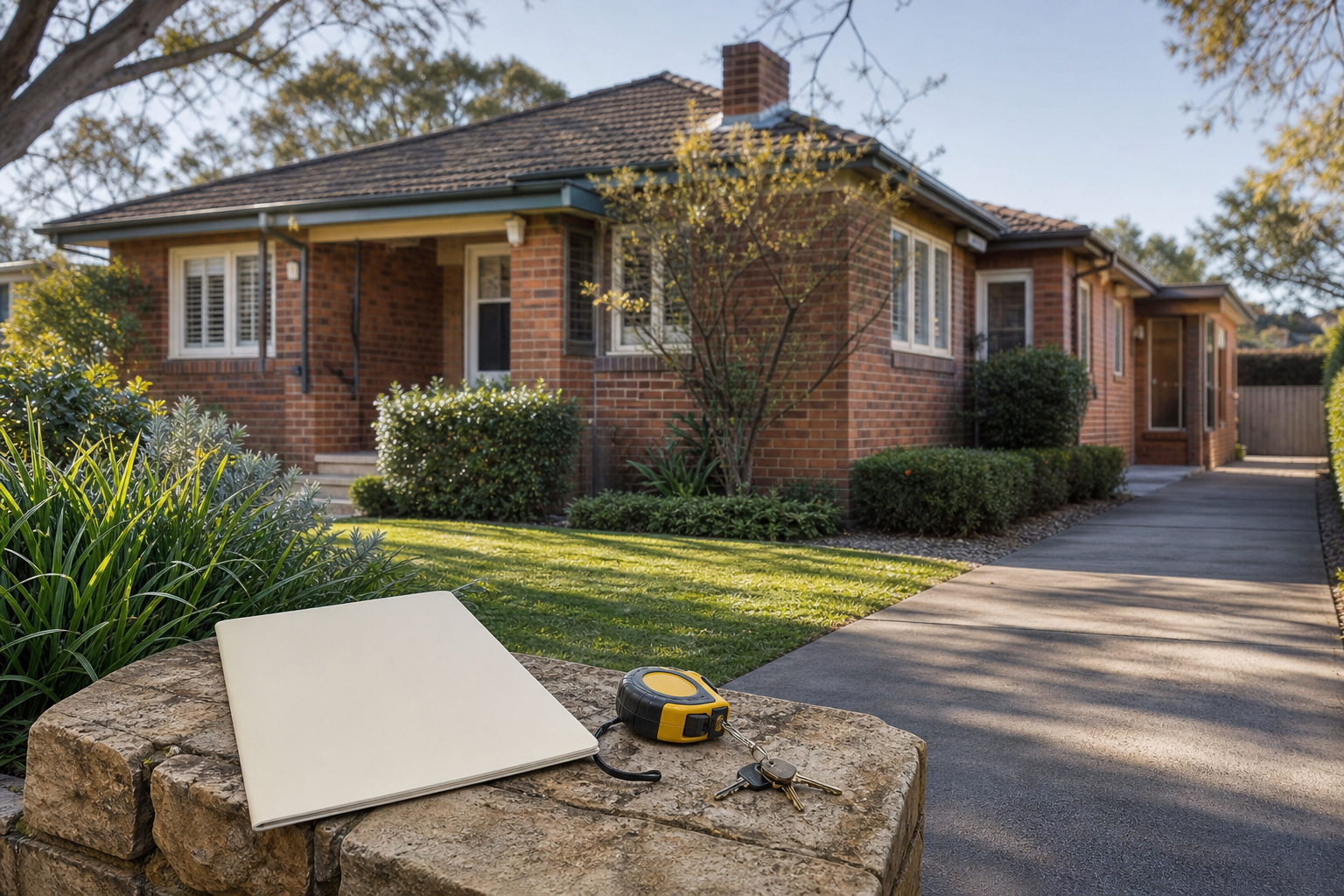
Before imagining a new kitchen or extra bedroom, walk around the site carefully. Look at the position of the house, side access, levels, drainage, retaining walls, roof form, windows and the relationship with neighbouring properties. A narrow side setback, steep slope, protected tree or difficult access can change the cost and scope of a project.
Pay attention to clues that are easy to overlook during a short inspection. Damp smells, cracked masonry, uneven floors, blocked gutters, poor subfloor ventilation and signs of previous water entry may deserve more investigation. These observations do not diagnose a building problem, but they can help buyers decide where a building or pest inspection is worthwhile.
Check what may need approval
Do not assume that a renovation idea is automatically allowed because a nearby home has a similar extension. Planning controls, local development rules, heritage considerations, flood constraints, bushfire risk, easements and site coverage can all affect what may be possible. The NSW Planning Portal Spatial Viewer is a useful starting point for checking planning information, but it is not a substitute for project-specific advice.
Ask the selling agent for any available plans, approvals, occupation certificates, warranties and records of previous work. If the property has been altered, try to understand whether the work was completed with the relevant approvals. A conveyancer, solicitor, building consultant, architect or council may be able to clarify questions before a buyer commits.
Separate cosmetic work from structural work
Fresh paint, flooring, lighting and landscaping are usually easier to estimate than changes involving walls, foundations, plumbing, electrical systems, roofs or additions. A property that looks tired may still be sound, while a visually attractive home can contain expensive maintenance issues.
Prepare two lists. The first should cover work needed for safety, weather protection and basic function. The second can cover improvements that would make the home more comfortable or valuable. This separation helps buyers avoid paying a premium for a renovation concept before they know the cost of essential repairs.
Build a realistic project budget
Early renovation estimates often exclude design, approvals, engineering, waste removal, temporary accommodation, service upgrades, contingencies and the cost of living in the property during the work. Quotes can also change when walls or floors are opened and hidden conditions become visible.
Keep the renovation budget separate from the purchase and settlement budget. Moneysmart's home loan guidance is a useful reminder that borrowing decisions should account for repayments, buffers and the household's broader financial position. Buyers should obtain advice suited to their own circumstances rather than relying on a general online estimate.
Consider the finished home and the neighbourhood
Renovation can improve comfort and function, but the best project is not always the largest one. Think about natural light, storage, ventilation, outdoor space, parking and how the finished home will fit the street and surrounding properties. Compare the likely result with recent local sales and with the cost of buying a home that already meets the household's needs.
A clear renovation plan can make a property decision more disciplined. It can also show when the proposed work is too uncertain to price confidently before an offer.
Practical checks before making an offer
- Inspect the site, roof, drainage, access and visible signs of movement or water entry.
- Check planning information, easements, heritage and environmental constraints.
- Ask for records of previous work and verify approvals where possible.
- Separate essential repairs from optional improvements.
- Allow for design, approvals, inspections, contingencies and finance buffers.
- Obtain qualified legal, building or planning advice when an issue is unclear.
Renovation potential can be valuable, but only when the opportunity is understood before the offer is made. A careful buyer does not need to reject every project property. They need enough information to decide what the project may involve and whether the numbers still work for their household.