

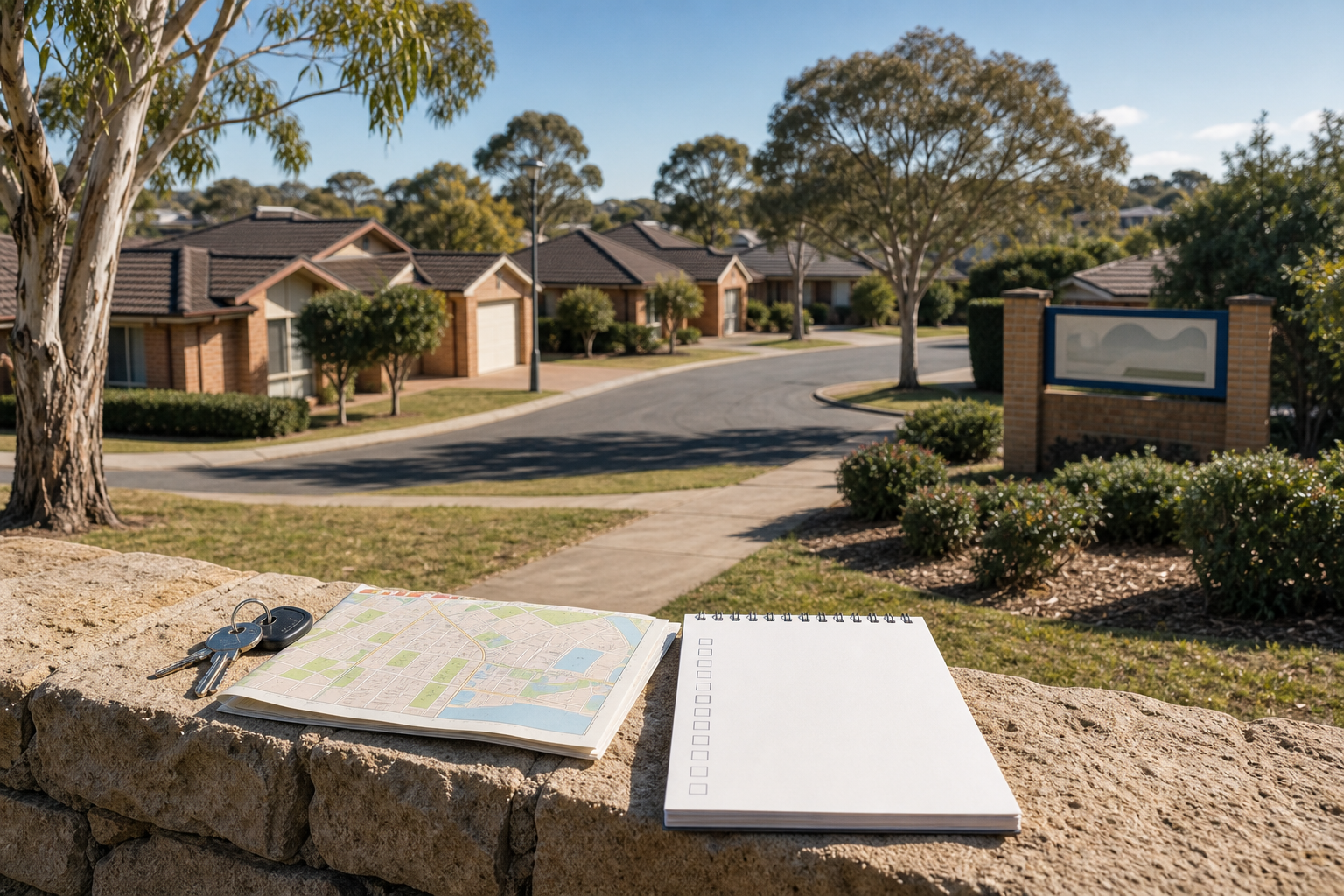
Property buyers should check the full cost of a move

Property decisions are often framed around one number: the advertised price. In practice, the cost of moving can include borrowing, transfer duty, inspections, conveyancing, insurance, rates, maintenance, utilities and the changes that come with a different location or property type.
That broader view matters in the current Australian market. Lending conditions and household budgets are still being assessed carefully, while buyers are comparing houses, townhouses and apartments that can have very different ongoing costs. A property that looks affordable at the point of purchase may feel less comfortable once the full monthly budget is considered.
Start with the total cost, not just the listing price
Before making an offer, build a simple estimate that includes the deposit, expected loan repayments and the one-off costs of buying. In NSW, transfer duty can be a significant part of the upfront budget, depending on the price and the buyer circumstances. Professional inspections and conveyancing should also be allowed for before a contract is signed.
Then test the ongoing position. Owners need to consider council rates, water charges, insurance, repairs and a realistic maintenance allowance. Apartment buyers should add strata levies and check whether planned building works could affect future costs. Buyers changing suburbs should also allow for transport, school, childcare and commuting expenses where relevant.
Compare properties on a like-for-like basis
A useful comparison is not simply house versus apartment. It is the total cost of each option over the first year and then over a longer holding period. A lower purchase price may come with higher renovation needs, while a newer apartment may have different strata and maintenance costs. The right comparison depends on the household plans, cash flow and tolerance for unexpected expenses.
Practical checks for buyers and sellers
- Estimate upfront costs separately from the deposit.
- Stress-test repayments and regular ownership costs with a sensible buffer.
- Check strata, maintenance and planned works before comparing property types.
- Use suburb-level sales, listings and amenity evidence rather than relying on one headline.
This is general information, not legal or financial advice. Buyers should obtain advice relevant to their own circumstances before committing.