

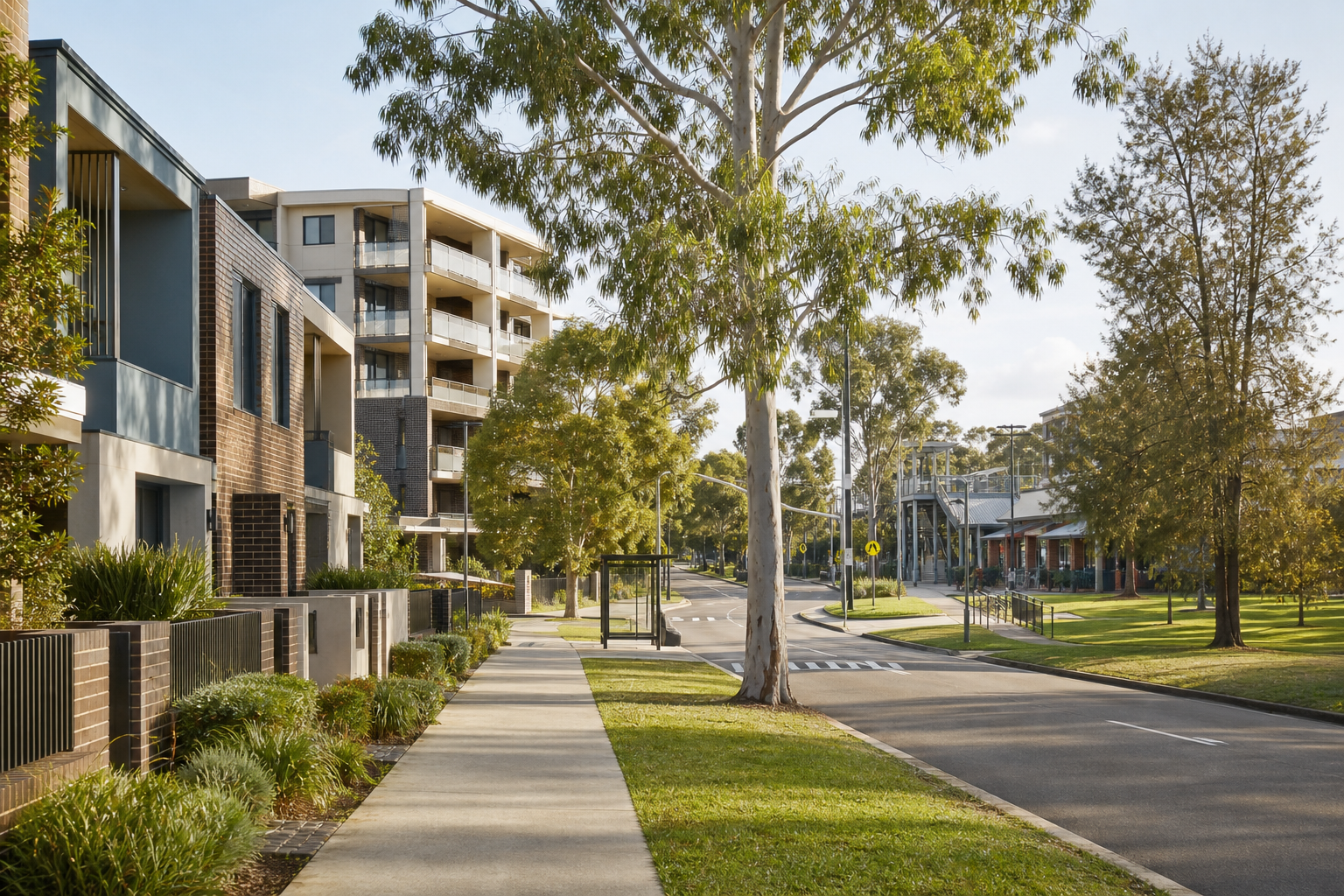
A practical suburb checklist for buyers comparing two homes

When two homes appear similar on price, the suburb around each property can make a substantial difference to day-to-day life and long-term budgeting. A useful comparison looks beyond the listing photos and asks how each location will work for the household in ordinary weeks, not only on inspection day.
Start with the practical trip test. Check the journey to work, school, childcare, shops, medical services and public transport at the times the household actually travels. A shorter distance is not always a shorter or safer trip, so walk the route where possible and consider lighting, crossings, footpaths, parking and the effect of busy roads.
Then compare the local setting. Look at parks, recreation, community facilities and the type of housing nearby. Buyers should also check planning information and development activity through reliable government sources, because a quiet outlook, access route or vacant site may change over time. This is not a reason to avoid growth areas, but it is a reason to understand the context before making an offer.
Budgeting should include more than the purchase price and mortgage. Allow for council rates, insurance, maintenance, utilities, commuting costs and, for apartments or townhouses, strata levies and possible special levies. Ask for the relevant records and read the conditions carefully. A cheaper property can become less affordable if its location creates higher travel costs or its building requires significant work.
Finally, compare how each property supports the household plan. Consider likely time in the home, resale appeal, rental demand if circumstances change, access to services and whether the layout and neighbourhood will still suit the household in a few years. Avoid reducing the decision to a single score. Write down the trade-offs and identify which ones are essential and which ones are preferences.
Buyers should verify property, planning, building and finance information independently and seek licensed professional advice for personal circumstances. This article is general information only and is not financial, legal or property advice.
Practical takeaways
- Test the real daily routes, not just the map distance.
- Check planning, building and strata information before offering.
- Compare total household costs and future flexibility, not only the purchase price.
Sources
- Moneysmart: Home loans
- NSW Government: Buying and selling property
- NSW Government: Strata
News insight
 Aug 14, 2026
Building inspection questions buyers should ask before making an offer
A practical guide to building, drainage, alteration and inspection questions buyers should ask befor...
 Aug 04, 2026
The ownership costs buyers should compare before choosing a home
A practical guide to comparing the ongoing costs of owning a home before making an offer, including...
 Aug 03, 2026
Apartment strata costs: what buyers should check before making an offer
An evergreen NSW apartment buyer guide to checking strata levies, capital works planning and special...