

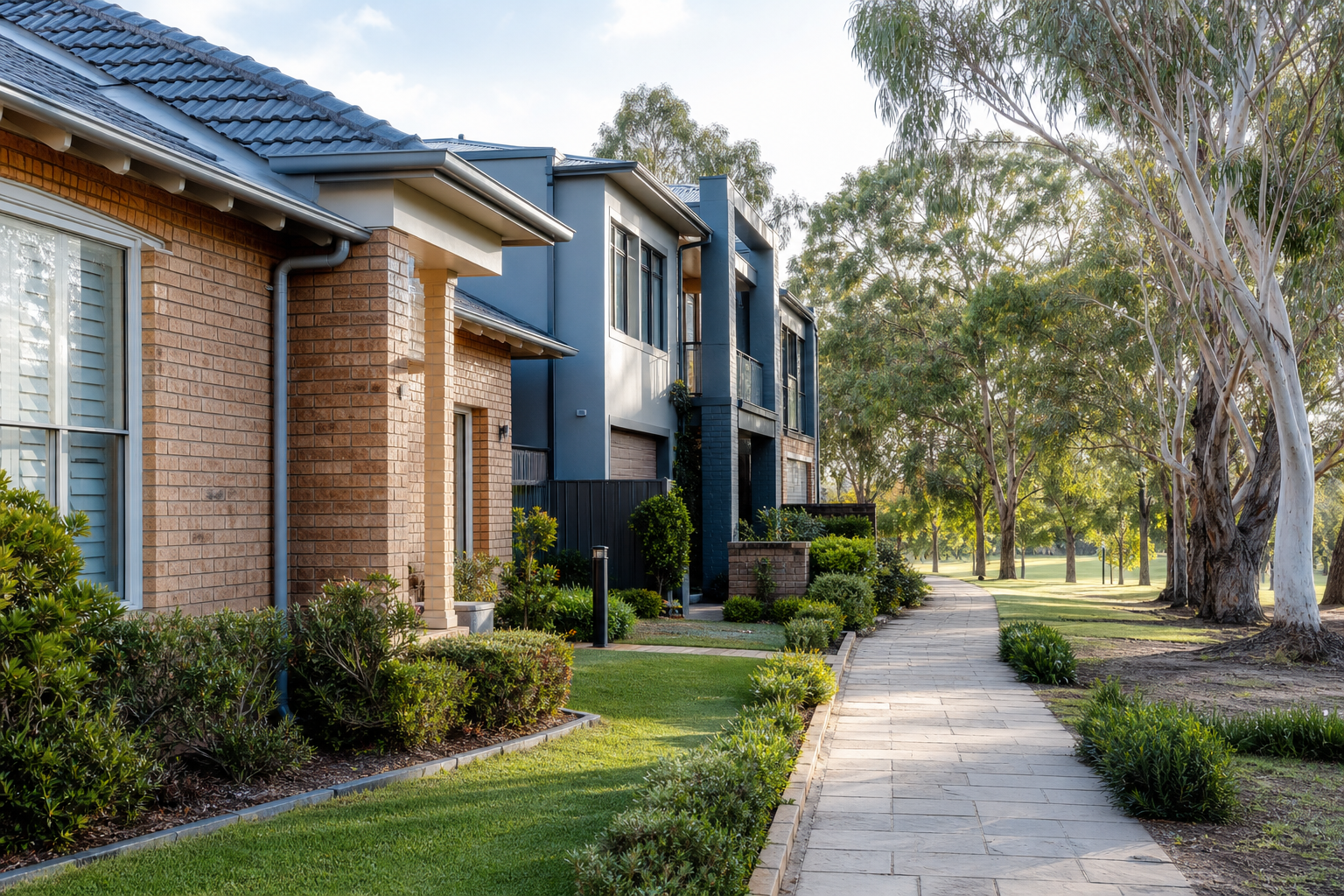
The practical property checks worth making before you choose between two homes
A property can feel like the right choice because of its styling, light or first impression. When two homes appear similar, the better comparison usually comes from the practical details that affect daily life, maintenance and the cost of ownership after settlement.
Start with the condition of each home. Look at the roofline, gutters, drainage, external walls, windows, retaining areas and signs of damp or water entry. A professional building inspection may identify issues that are easy to miss during a short viewing. The aim is not to reject every older feature, but to understand which items are cosmetic and which could require significant work.
Orientation and comfort deserve attention as well. Consider where the main living areas face, how much natural light reaches the rooms, how the home is ventilated and whether outdoor spaces are usable at different times of day. Nearby traffic, parking, school activity, public transport and walking routes can make one apparently similar property more practical than another.
Compare ongoing costs, not only the purchase price. Ask about council rates, strata levies where relevant, insurance, utilities, planned repairs, garden maintenance and likely energy use. For a townhouse or apartment, review the owners corporation information, by-laws, capital works position and any proposed special levies before relying on the listing summary.
Finance should be tested against the whole decision. A borrowing figure or pre-approval is not a substitute for a household budget. Allow room for rate changes, repairs, insurance increases and ordinary living costs. Moneysmart recommends considering what you can afford and comparing loan features and costs rather than focusing only on the headline rate.
It can help to score each property against the same short list: condition, comfort, access, privacy, maintenance, ongoing costs and fit with your routine. This reduces the risk that attractive furniture or a busy inspection crowd makes the decision for you.
General online guidance is a starting point only. Review the contract and available property documents carefully, and obtain legal, financial or building advice suited to your circumstances before making an offer.
This article is general information only and is not legal, financial, building or investment advice.
Practical takeaways
- Compare condition and likely maintenance, not just presentation.
- Check comfort, access and local activity at more than one time of day.
- Include rates, insurance, utilities, strata and repair allowances in the budget.
Sources and further reading
- NSW Government: Buying and selling property
- Moneysmart: Home loans
News insight
 Oct 19, 2026
Time on market is becoming a bigger buyer signal in Sydney
Why Sydney buyers and sellers should compare time on market with local property evidence.
 Oct 18, 2026
Older listings are building up: what Sydney sellers should review before relaunching
A practical guide for Sydney sellers reviewing pricing, presentation, campaign feedback and competin...
 Oct 17, 2026
Sydney housing values have fallen for six months: what buyers and sellers should check now
Sydney housing values have fallen for six consecutive months. The latest data makes property type, l...