

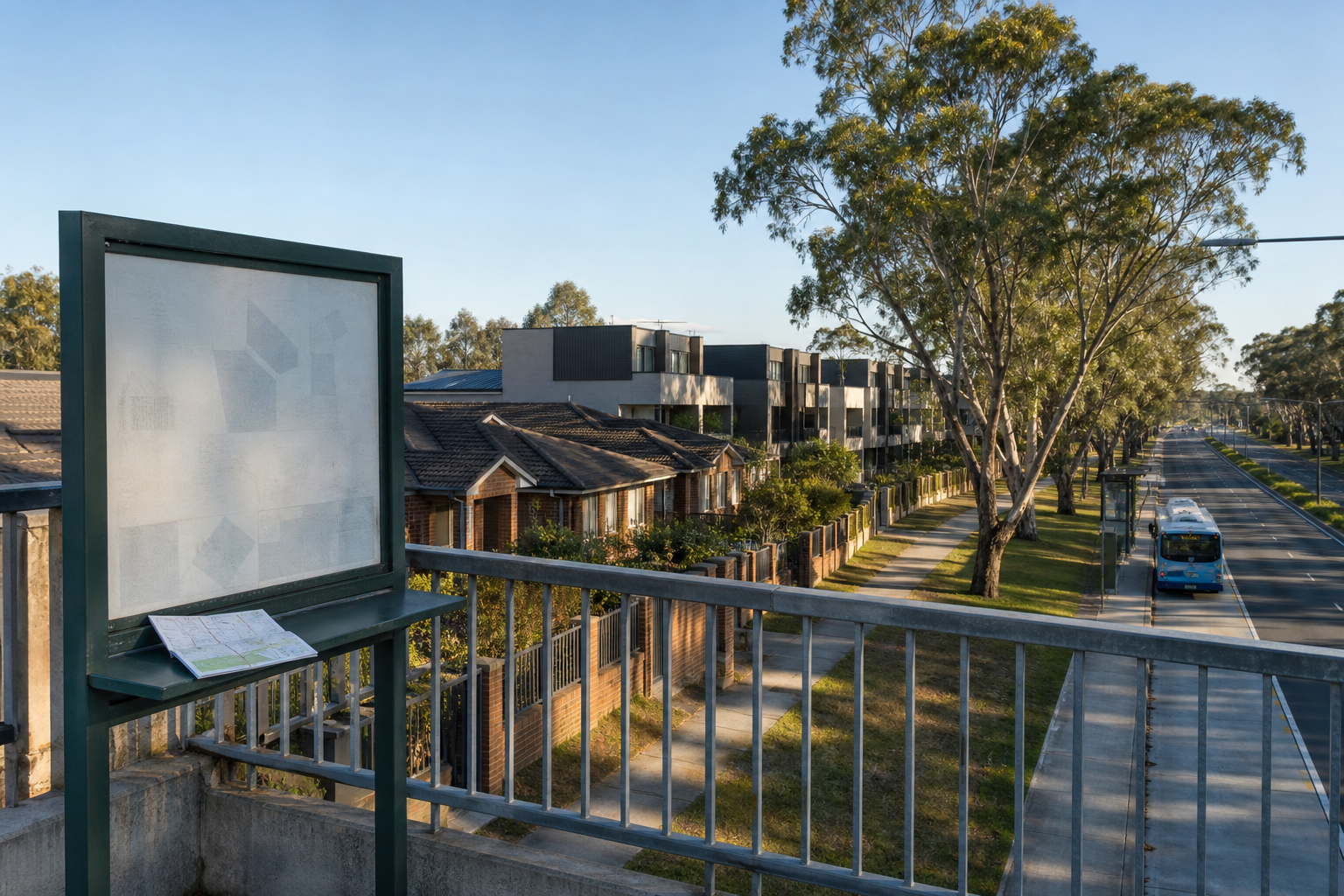
More house approvals do not automatically mean easier buying

Australia's latest building approvals show why housing supply needs to be read carefully. In May 2026, total dwellings approved fell 1.1 per cent to 17,019 on a seasonally adjusted basis. Private sector house approvals rose 2.8 per cent to 10,537, while private sector dwellings excluding houses fell 10.4 per cent to 6,034.
That split matters for buyers and sellers. More detached house approvals may eventually add choice in some locations, but a weaker apartment and higher-density pipeline can leave certain suburbs with limited options. Approvals also do not guarantee that projects will be completed quickly, affordably or in the exact locations where demand is strongest.
For buyers, compare the property type, local construction pipeline, transport and everyday amenity rather than relying on a national supply headline. Sellers should understand which nearby homes will compete with their property. Borrowers should keep their finance plans realistic while the latest lending data shows new dwelling loan commitments can move unevenly.
Practical checks
- Separate house, townhouse and apartment supply when comparing suburbs.
- Check whether approved projects are progressing, not just appearing in a headline.
- Keep a repayment buffer and allow for the full cost of ownership.
This is general information only, not legal or financial advice.
Sources
News insight
 Sep 10, 2026
Renovation potential before buying: checks that matter in NSW
An evergreen practical guide to checking renovation potential, approvals, access and ownership costs...
 Sep 09, 2026
New housing supply in NSW: what buyers should check before choosing a development
An evergreen guide to checking new housing supply, planning, inclusions, access and ongoing costs be...
 Sep 08, 2026
Shared driveways and parking: practical access checks before buying in NSW
Shared driveways, parking arrangements and property access can affect daily convenience and future d...