

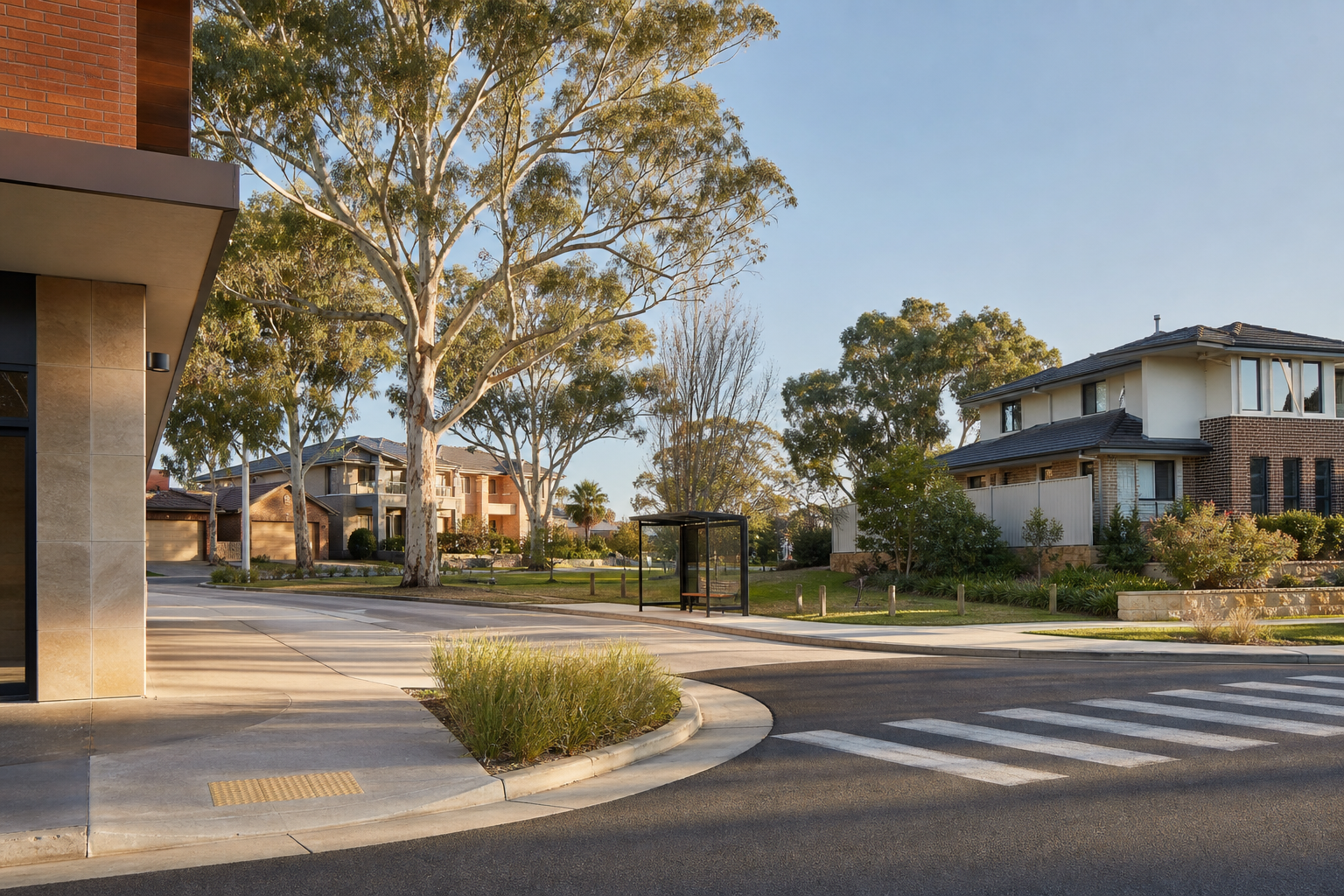
Everyday liveability checks buyers should make before making an offer

Photos and floor plans can make a home look appealing, but they do not show how it will fit into everyday life. Before making an offer, buyers should spend time checking the surrounding area at different times of day and compare the practical details that affect work, school, errands and downtime.
This is not about finding a perfect suburb. It is about understanding the trade-offs clearly, so the price you are considering reflects the way the property and neighbourhood will actually be used.
Start with the weekly routine
Write down the trips your household makes in a normal week. Consider work, school, childcare, groceries, medical appointments, sport, public transport and visits to family. Then test the actual routes rather than relying only on a map distance. A home that looks close to a station may involve a steep walk, a difficult crossing or limited services at the time you need them.
Check the journey in both directions, including the return trip in the evening. If you drive, look at congestion, parking availability and whether the route depends on one busy road. If public transport matters, use the current journey planner and consider the first and last services that suit your schedule.
Look beyond the property boundary
Walk around the block and inspect the relationship between the home, nearby roads, footpaths, open space and adjoining properties. Notice whether bedrooms face a busy route, whether privacy depends on temporary screening, and whether a park or reserve is likely to be a benefit or a source of evening noise.
Visit once during the day and again after work hours. Listen for traffic, aircraft, trains, construction, loading areas and amplified activity. Also look for street lighting, footpath quality, drainage and how easy it is to enter and leave the property. These details can matter more than a polished first inspection.
Check future change as well as current convenience
A quiet street today may change as nearby land is developed or infrastructure is upgraded. Use the NSW Planning Portal Spatial Viewer to investigate planning information, zoning and nearby proposals. This does not replace professional advice or a formal search, but it can help buyers identify questions to ask before committing.
For transport, check the current route and service information through Transport for NSW. Confirm what is available now rather than paying a premium based only on a proposed project or marketing claim. If a future change is important to your decision, ask for independent confirmation and understand its timing and uncertainty.
Compare liveability with ongoing costs
Convenience can carry a cost. A location close to shops or transport may have higher purchase prices, more traffic or less parking. A larger home farther away may create extra fuel, toll, childcare or commuting costs. Add these practical expenses to the ownership budget alongside rates, insurance, utilities, maintenance and loan repayments.
Buyers should also think about how the home may work if circumstances change. A spare room, accessible entrance, outdoor area or nearby service may support future needs, while poor storage, difficult stairs or limited parking may become more important over time.
A simple final check
Before making an offer, record three things: what works well, what concerns you, and what needs independent confirmation. Separate emotional preferences from issues that affect safety, access, cost or resale appeal. Ask your conveyancer, building professional, lender or other qualified adviser about matters outside your expertise.
The goal is not to remove every uncertainty. It is to make the important trade-offs visible before the contract is signed.