

Beyond the purchase price: ongoing costs buyers should compare before making an offer

The purchase price is only one part of the cost of owning a home. Before making an offer, buyers should compare the regular expenses that will shape their household budget after settlement. Those costs can differ substantially between a freestanding house, townhouse and apartment.
Start with the costs you will pay every month
List electricity, gas, water, internet, council rates, insurance and any regular garden or pool maintenance. Ask whether the property has unusual drainage, older services, large shared facilities or equipment that may require more upkeep. A realistic budget should allow for changes in utility use and insurance premiums rather than relying only on the current owner's figures.
Compare shared property expenses carefully
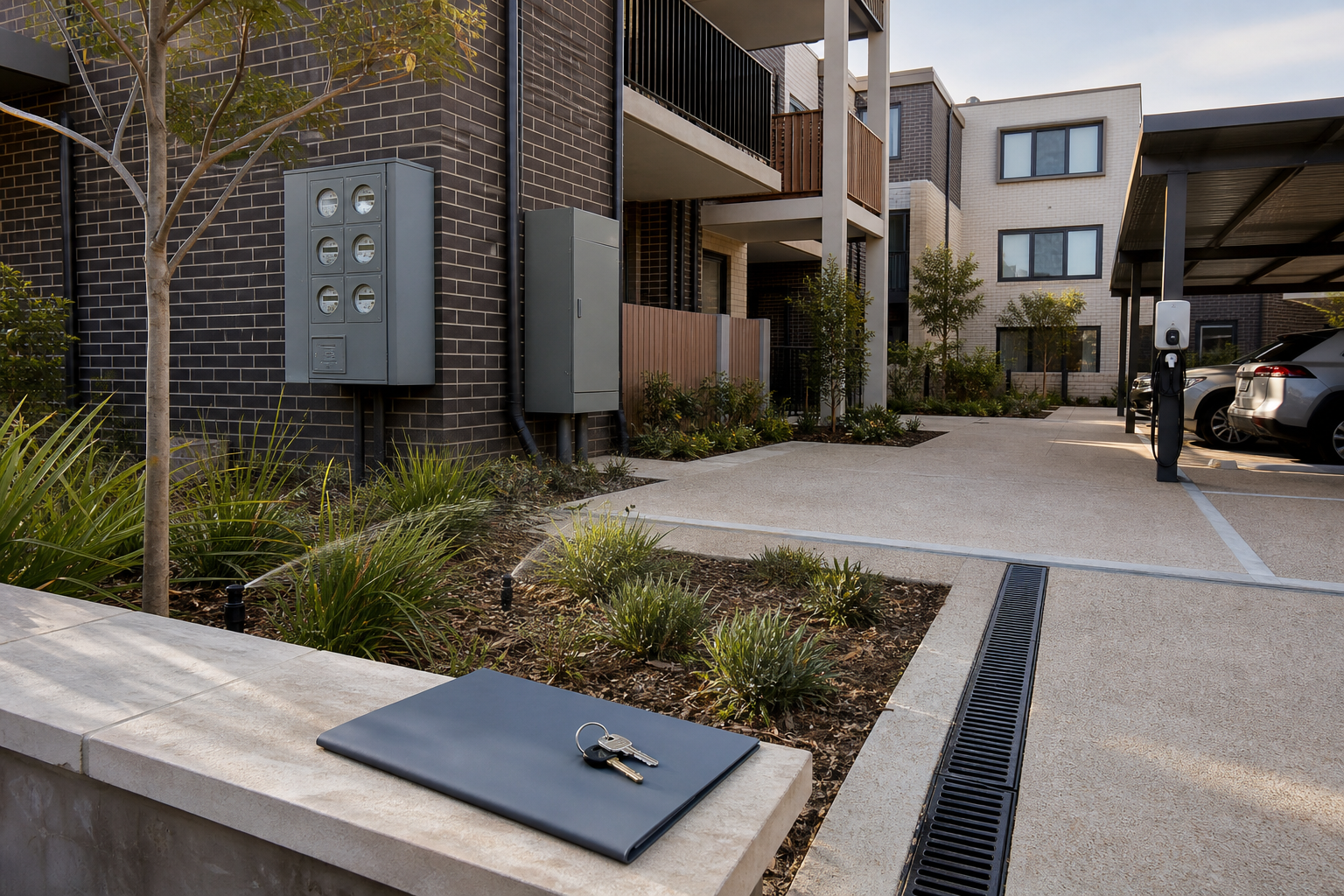
For strata and community-title properties, review the levies, sinking fund position, recent meeting minutes, planned works and any special levies. The cheapest quarterly levy is not automatically the best value if important maintenance has been deferred. Check what is included, such as gardens, lifts, building insurance, shared lighting, security or parking facilities.
Allow for repairs and future improvements
Older homes may need work on roofing, gutters, drainage, plumbing, electrical systems, fencing or insulation. Newer properties can still carry maintenance obligations and appliance replacement costs. Buyers should consider a contingency buffer and obtain independent professional advice where inspections or contracts raise questions. This article is general information, not legal or financial advice.
What buyers can do before making an offer
- Request recent rates, levy and utility information where available.
- Separate predictable annual costs from irregular repairs and replacements.
- Compare the total budget across shortlisted properties, not only the advertised price.
- Check planning, strata and contract documents with the appropriate qualified adviser.
A clear ownership-cost comparison can make property decisions more practical and reduce surprises after settlement. The aim is to understand the whole budget before competing on price.