

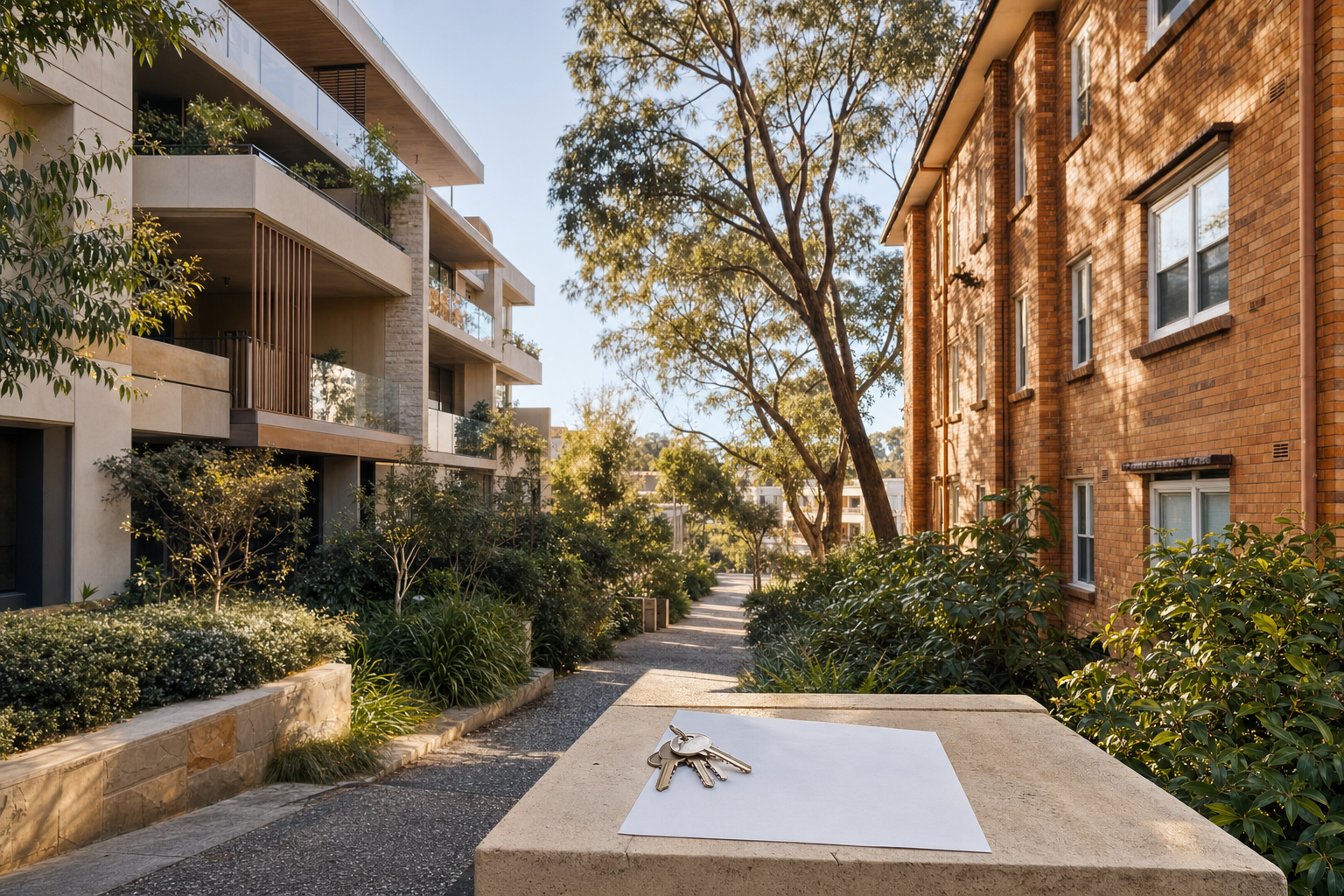
Apartment affordability depends on more than the purchase price
For many Australian buyers, an apartment can look like a more accessible way to enter the property market. The advertised price is important, but it does not tell the whole affordability story. Strata levies, planned building works, insurance arrangements, council rates, utilities, borrowing costs and future maintenance can all affect the weekly and annual cost of ownership.
This does not mean apartments are a poor choice. It means buyers need a broader comparison before making an offer. A lower purchase price may be offset by higher ongoing expenses, while a well-managed building with transparent finances can provide more confidence even when its levies are not the lowest in the suburb.
Start with the full ownership budget
Before comparing two apartments, list the costs that will continue after settlement. Strata levies generally contribute to the administration and capital works funds of the owners corporation. The amount can vary according to the building, shared facilities, age, maintenance needs and the quality of its long-term planning.
Ask for the relevant strata information and look for more than the current levy figure. Buyers should consider whether the capital works fund appears adequate, whether major repairs are planned, and whether the owners corporation has discussed special levies. A building with lifts, basement parking, pools or extensive common areas may carry different costs from a smaller walk-up building.
Check the building, not just the apartment
An apartment inspection should include the home itself, but the surrounding building also matters. Look for signs of water damage, poorly maintained common areas, cracking, ageing services or repeated repair work. These observations are not a substitute for professional advice, but they can help a buyer identify questions to raise with a conveyancer, strata specialist, building inspector or lender.
It is also worth understanding how the building is managed. Clear meeting records, regular maintenance and a realistic capital works plan can be useful indicators. Buyers should not assume that a recently renovated apartment means the whole building has been maintained to the same standard.
Compare borrowing comfort with running costs
Loan pre-approval helps establish a price range, but the practical test is whether the total housing cost remains manageable if circumstances change. Add the expected mortgage repayment to strata levies, council rates, insurance where applicable, utilities, parking costs and a sensible allowance for repairs or unexpected increases.
For investors, the same discipline applies. Rent, vacancy periods and management costs should be considered alongside the full ownership budget. For owner occupiers, proximity to transport, schools, work and services may justify a different balance of purchase price and ongoing costs, but that decision should be made deliberately rather than discovered after settlement.
What buyers can do before making an offer
- Request strata records, levy details and information about planned capital works.
- Ask whether special levies, disputes or major repairs have been discussed.
- Calculate the full weekly cost of ownership, not only the mortgage repayment.
- Compare several buildings and recent local sales rather than relying on one listing.
- Obtain independent legal, building and financial advice for your circumstances.
The right apartment decision is not simply about finding the lowest asking price. It is about understanding the building, testing the complete budget and deciding whether the property remains suitable over time. Careful due diligence can make the comparison clearer for first home buyers, investors and households looking to downsize or relocate.